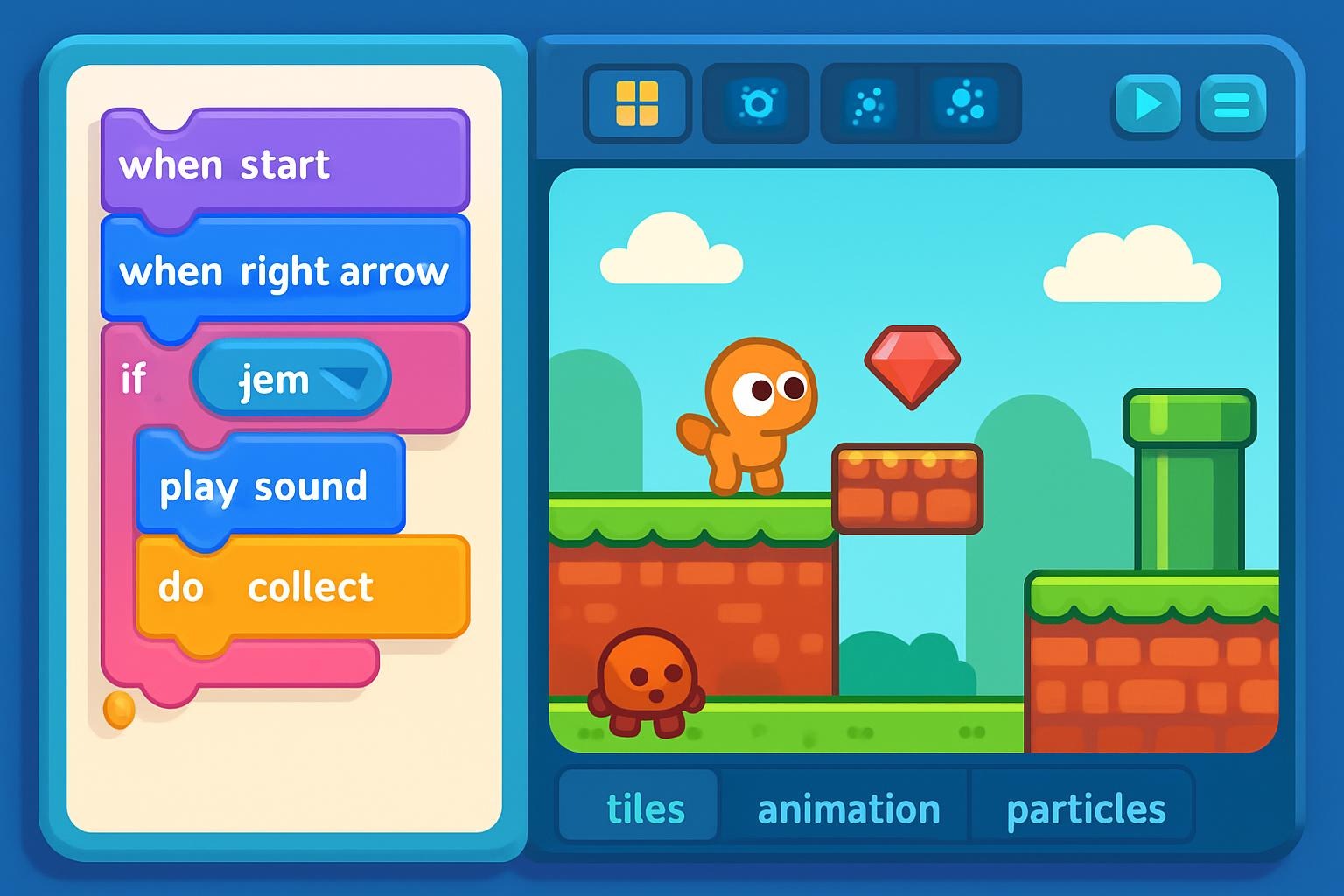
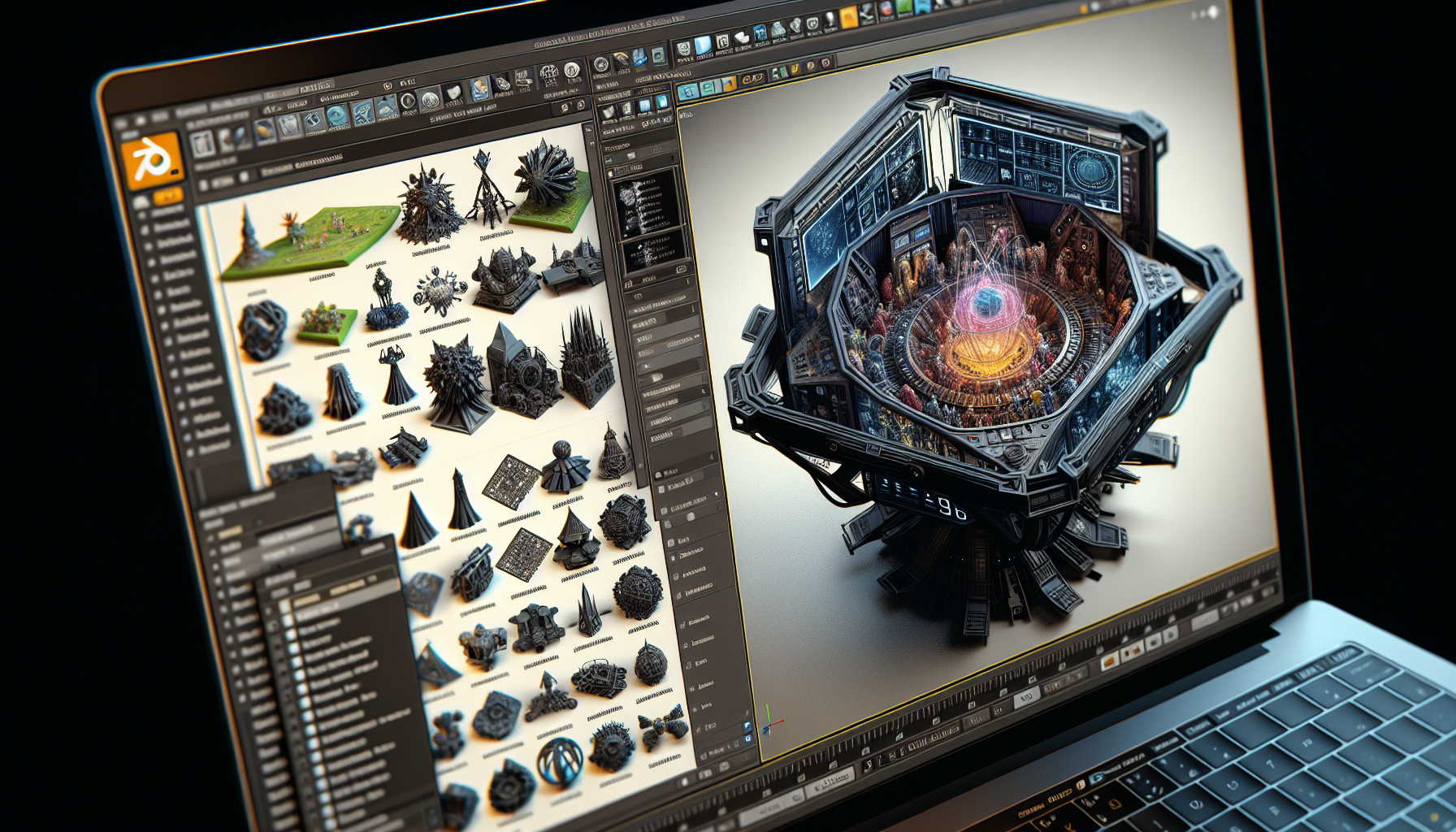
Product Categories

The Parent Category to hold all the different product categories.

Ebitengine

Ebitengine Ebitengine (formerly known as Ebiten), by Hajime Hoshi, is a lightweight and efficient 2D game engine for the Go programming language. Designed with simplicity and portability in mind, Ebitengine allows developers to create high-performance games for desktop, mobile, and web—all with clean Go code and minimal setup. Key Features: Who Should Use It: Ebitengine […]
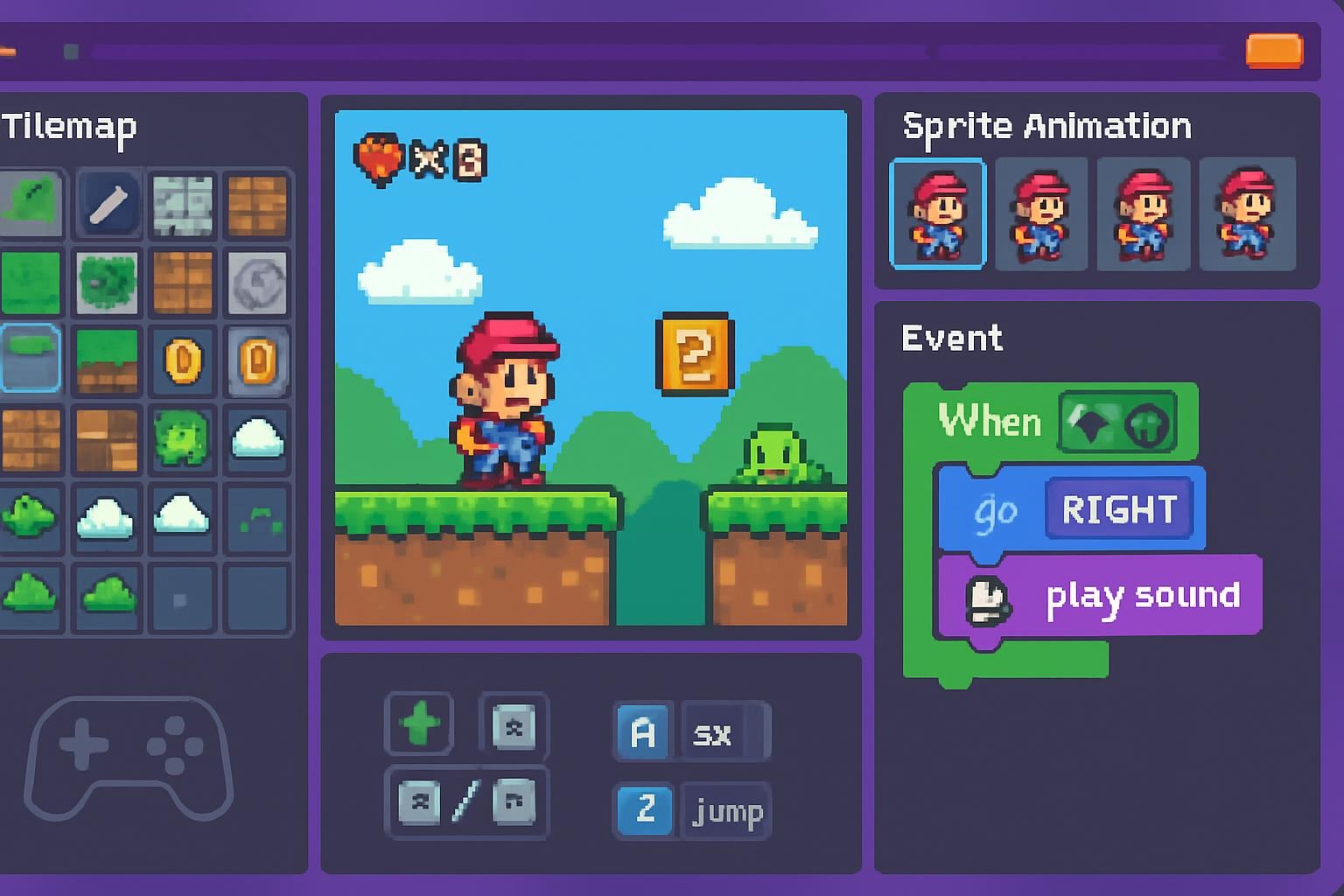
Ebitengine Read More »

TIC-80

TIC-80 TIC-80 by Nesbox is a fantasy computer designed for creating, sharing, and playing small retro-style games. It mimics the feel of old-school 8-bit systems and includes everything you need to make games—code editor, sprite editor, map editor, sound and music tools—inside one nostalgic package. Key Features: Who Should Use It: TIC-80 is perfect for

TIC-80 Read More »

PICO-8

PICO-8 PICO-8 by Lexaloffle Games is a fantasy console for making, sharing, and playing tiny retro-style games. Designed with creative limitations, it simulates an 8-bit-style environment with built-in tools for coding, sprite design, map editing, and sound creation—all in one minimalistic, charming interface. Key Features: Who Should Use It: PICO-8 is perfect for pixel artists,

PICO-8 Read More »

Pixel Game Maker MV

Pixel Game Maker MV Pixel Game Maker MV by Gotcha Gotcha Games is a no-code 2D game development engine built specifically for creating action-packed pixel art games. Whether you’re building a platformer, shooter, or top-down adventure, this engine delivers everything you need—from visual logic systems to built-in animation tools—without requiring any programming knowledge. Key Features:

Pixel Game Maker MV Read More »

Evergine

Evergine Evergine by Evergine Corp. is a powerful real-time 3D engine built for creating industrial-grade visualizations, simulations, digital twins, and XR applications. Designed for performance and scalability, Evergine empowers developers and enterprises to bring complex data to life in immersive, interactive environments. Key Features: Who Should Use It: Evergine is perfect for developers, engineers, and

Evergine Read More »

Verge3D

Verge3D Verge3D by Soft8Soft is a real-time 3D web content creation toolkit that brings interactivity, animation, and configurability to your 3D models—all within the browser. Designed to work seamlessly with Blender, 3ds Max, and Maya, Verge3D empowers developers and designers to create interactive web experiences without writing complex code. Key Features: Who Should Use It:

Verge3D Read More »

MonoGame

MonoGame MonoGame by the MonoGame Team is an open-source game development framework built on C#. It’s the spiritual successor to Microsoft’s XNA Framework, giving professional developers the tools to build high-performance, cross-platform 2D and 3D games. With MonoGame, you write once and deploy to nearly every major platform—with full control over your game engine. Key

MonoGame Read More »

GameSalad

GameSalad GameSalad by GameSalad Inc. is a no-code game development platform that empowers beginners, educators, and indie developers to create 2D games visually—without writing a single line of code. With an easy-to-use interface and powerful logic system, GameSalad helps you bring your game ideas to life and publish them across multiple platforms effortlessly. Key Features:

GameSalad Read More »

Buildbox

Buildbox Buildbox by AppOnboard Inc. is a powerful no-code game development platform that lets you create beautiful, monetizable 2D and 3D games without writing a single line of code. With its intuitive drag-and-drop system, smart logic nodes, and real-time preview, Buildbox makes it easy for anyone—from hobbyists to mobile game studios—to bring their ideas to

Buildbox Read More »

GDevelop

GDevelop GDevelop by Florian Rival and contributors is a free, open-source, no-code game engine designed for creating 2D (and basic 3D) games quickly and intuitively. Whether you’re a complete beginner or an indie developer looking to prototype fast, GDevelop empowers you to build games visually—with powerful event-based logic and cross-platform publishing. Key Features: Who Should

GDevelop Read More »